Having an accurate scale is only step one to getting accurate results when weighing produce. This blog discusses five ways you can help guarantee you’re getting the most accurate weights.
Best Practices for Weighing Accurately
To get the most accurate and reliable results, guarantee you’re following these five tips.
1. Weigh on a Level Surface
No matter if you’re weighing indoors or outdoors, you’ll get the most accurate results when your weighing scale is level. If your scale isn’t level, it can lead to uneven weight distribution when items are placed on the pan. This puts uneven pressure on the load cell, causing premature wear that could lead to permanently inaccurate results. Most Adam scales come with a built-in leveller and many come with adjustable feet. With adjustable feet, you can level your scale even if the surface it rests on isn’t completely flat – as long as it’s stable and not wobbly.
2. Tare Out Containers
A common mistake that seems harmless but can add up very quickly is forgetting to Tare out containers before weighing the produce. For example, if you’re weighing potatoes in a crate, the crate is adding weight to your results. If you put an empty crate of an equivalent weight on the pan and Tare out the result first, then you’re only getting the weight of the potatoes.
After each weighing session, ensure you’re Zeroing out the scale as well. This removes the stored Tare weight so if your next item doesn’t use a container or is weighed in a different container, it’s not subtracting the weight of the previous container anymore.
3. Keep Produce Dry and Clean
Dirt and water can both add weight to your produce. For the most accurate results, ensure that any loose dirt is removed and they’re as dry as possible. Leafy greens like cabbage or lettuce can collect water between layers from rain or regular watering, which makes them artificially heavy! When harvesting root vegetables, try to shake off any loose dirt when harvesting so it doesn’t add to your weight results.
4. Avoid Harsh Outdoor Conditions
Certain harsh weather conditions can make it more difficult to receive accurate results. High winds add force to the item you’re weighing and may even add force to the scale itself, which can lead to unstable readings. Thunder (or just a bunch of trucks driving around) can cause vibration which also lead to drifting results. Snow and rain can accumulate on the pan, so attempt to keep it clear and dry before weighing.
Extreme temperatures should be avoided as well. Most scales operate best when they’re used between -10˚C and 40˚C. Any more or less than those temperatures can make the plastics and metals in the scale itself expand or contract enough to disrupt your accuracy.
5. Record Weighing Results Immediately
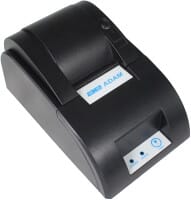
If you don’t remember the weight of your produce, did you really weigh it? Keeping thorough records not only helps ensure your weights are accurate (because they’re recorded right then and there) it also gives you something to look back on over time. Depending on when and where you’re weighing, handwritten records may be the most convenient. For larger-scale operations, it might be more reliable to connect your scale to a printer like Adam's . Or, you can choose a label-printing scale like Adam’s . A printer can record the date, time, operator and weight with the tap of a button, saving time.
Choosing the Right Scale
There are many different types of scales that could be a great fit for weighing produce, including the four types below.
Trade Approved Scales
If you’re going to sell produce based on weight, such as at a farmers’ market, you need to be using a trade approved scale during each transaction. This is a legal requirement and can’t be ignored without risking fines or other serious consequences. It helps ensure that each customer is getting the quantity that they’re paying for, so neither party is treated unfairly.

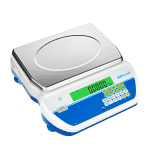
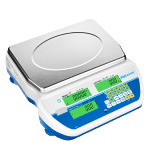
Any trade approved scale will do the trick, but others like Adam’s are particularly helpful. The Swift can store the unit weights and prices for produce in its memory, to be recalled when a customer brings them up for purchase. Both you and the consumer can see the weight, unit price and price to pay on the front and rear displays. For busy businesses, a price computing scale is worth it!
Checkweighing Scales
Checkweighing scales are scales that allow you to set high and low weight limits and will notify you – via a color changing display, audible beep or traffic-light style LEDs – when a product is over, under or within those limits.

A checkweighing scale like Adam’s or would be best utilised for packing purposes. For example, if you want to fill clamshell containers with approximately the same amount of strawberries. You can use the scale’s built-in monitoring system to know when you need to add more strawberries, take some out or if the weight is just right.
Washdown Scales
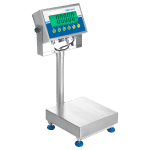
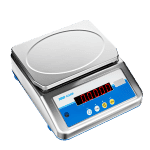
For weighing out in the field during harvest, you’ll want a washdown scale. Washdown scales like Adam’s and series can withstand water and dirt without suffering damage. If the dirt gets to be too much, just rinse it off and continue weighing! Washdown scales provide unmatched peace of mind when it comes to getting wet and messy.

Platform Scales
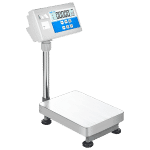
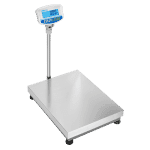
Platform scales are heavy-duty scales that allow you to weigh large quantities of produce at once. Do you need to send a pallet of watermelons to a market? Instead of weighing each watermelon individually, weigh them all at once and skip the math.
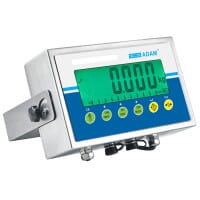
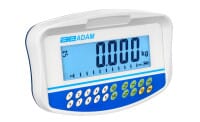
If you need both trade approval and a platform scale, pair Adam’s with the trade approved (and waterproof) indicator. For checkweighing, pair with the !
Need help deciding on a scale for weighing produce or want personalised tips for weighing accurately? Contact the Adam team, we’ll be happy to help.